Photos of plants.
 Euonymous.
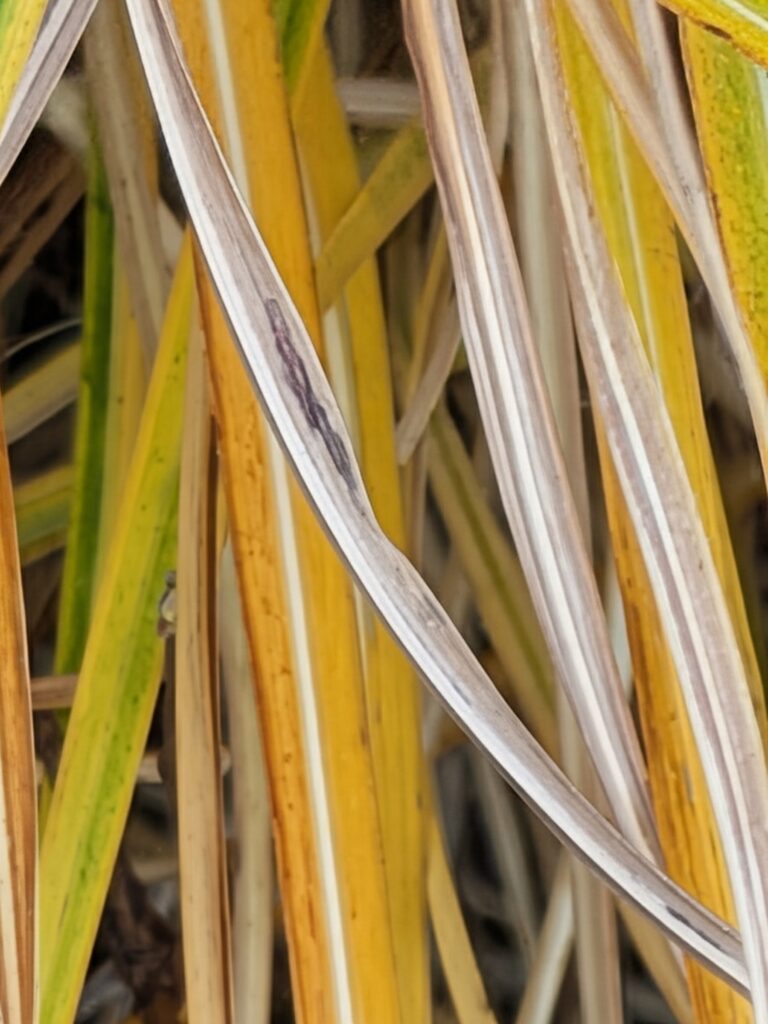 A close look at ornamental grass turning for the season.
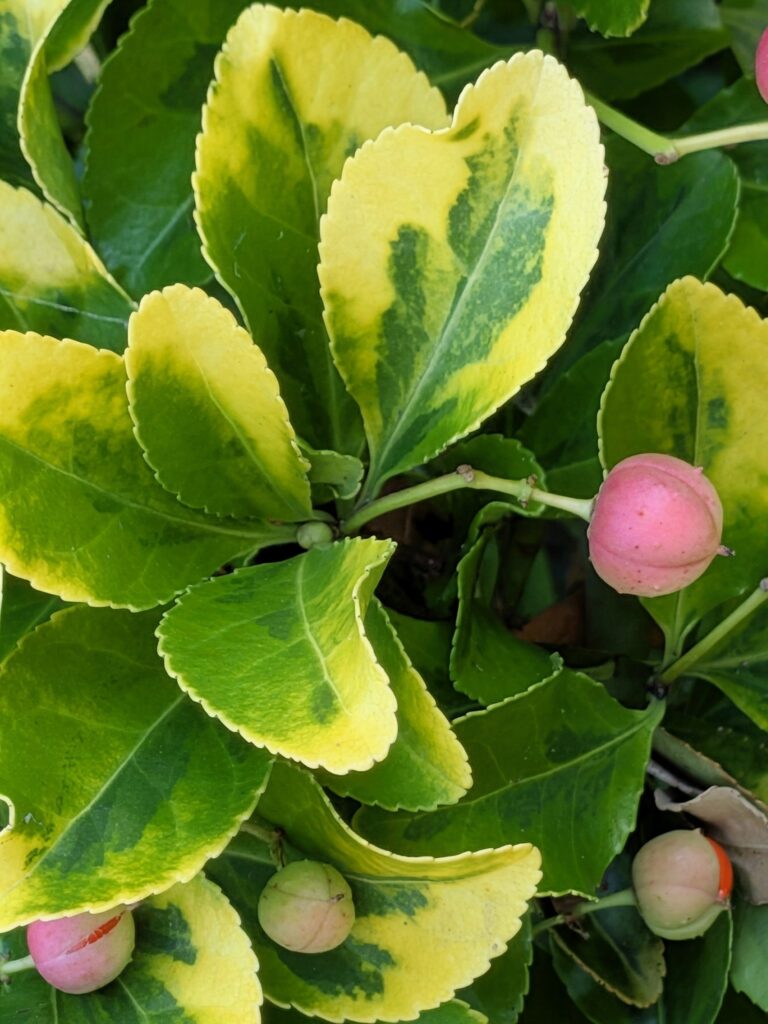 Euonymus, or Spindle Tree. Those glossy, yellow-edged leaves offer year-round interest, and the pink fruit capsules will eventually split to show bright orange seeds inside.
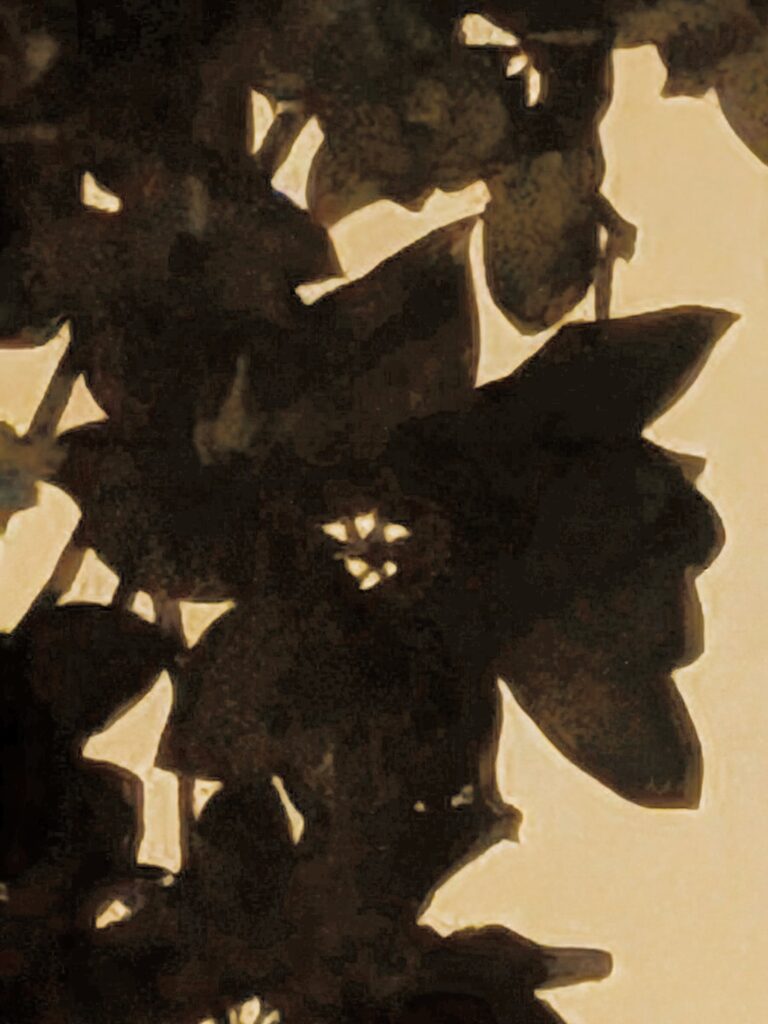 I was trying to go for the look of a woodblock print. They're magnolia leaves.
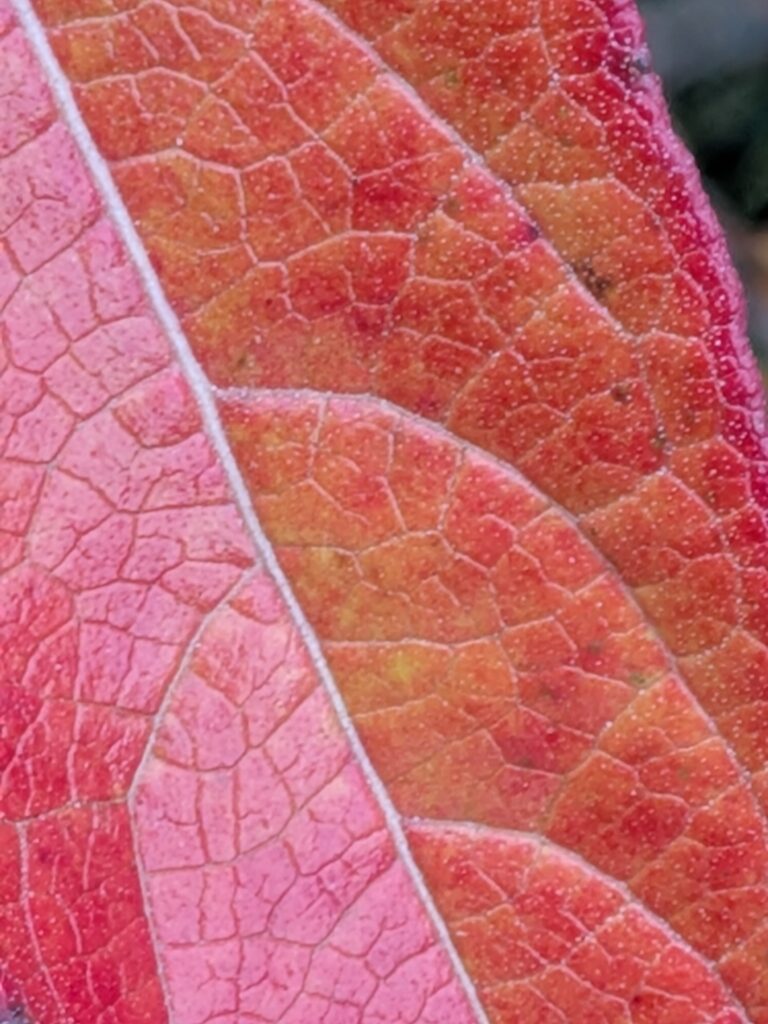 A macro view of an autumn leaf reveals its intricate structure.
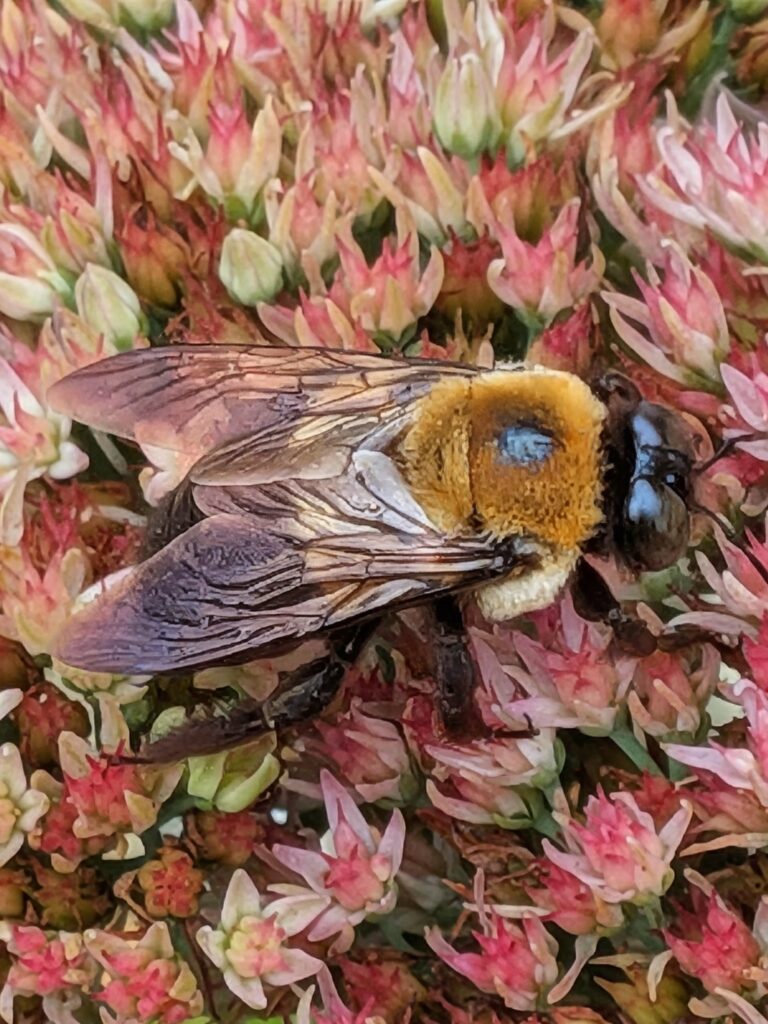 That's an old female carpenter bee on a clump of sedum. See the bald spot on her thorax? That comes from rubbing against the wood of her nest all season. Her wings are tattered, too. She's put in a lot of work.
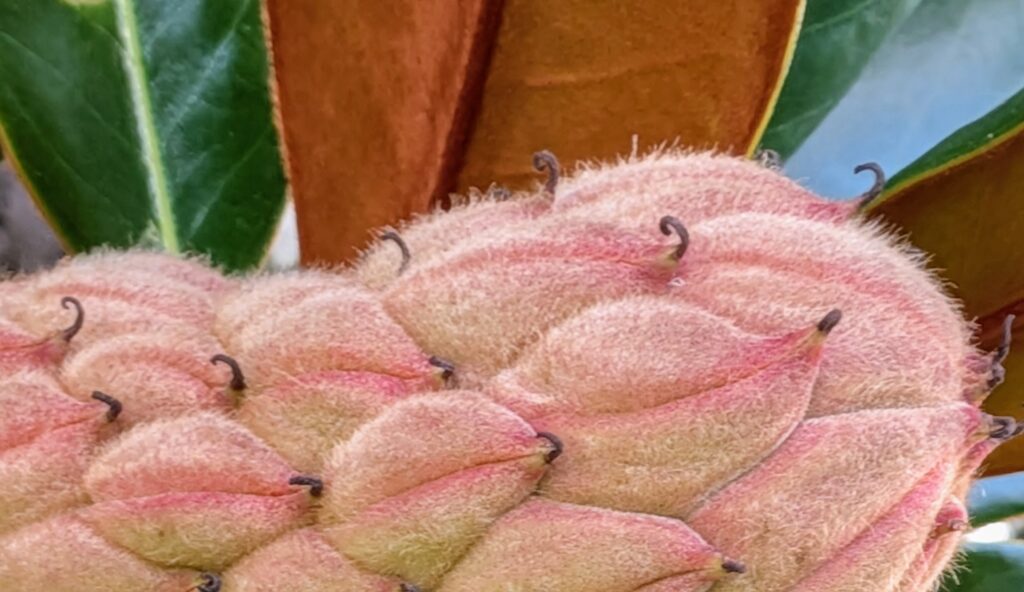 This is a Southern Magnolia seed cone, or aggregate fruit. Notice the velvety pink texture and the curled tips on each segment. In a few weeks, each of the pods will split open to reveal bright red seeds.
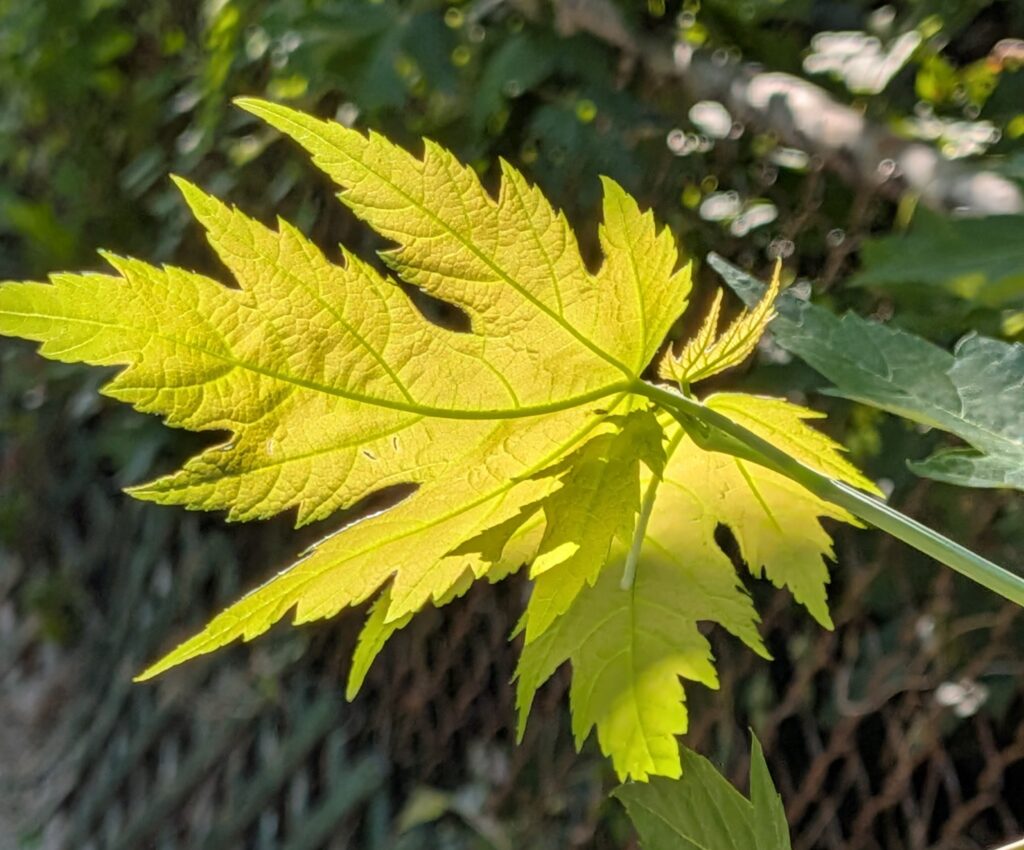 This is a young leaf from a Japanese Hop vine, lit from behind by the late afternoon sun. That light makes it glow and shows every vein.
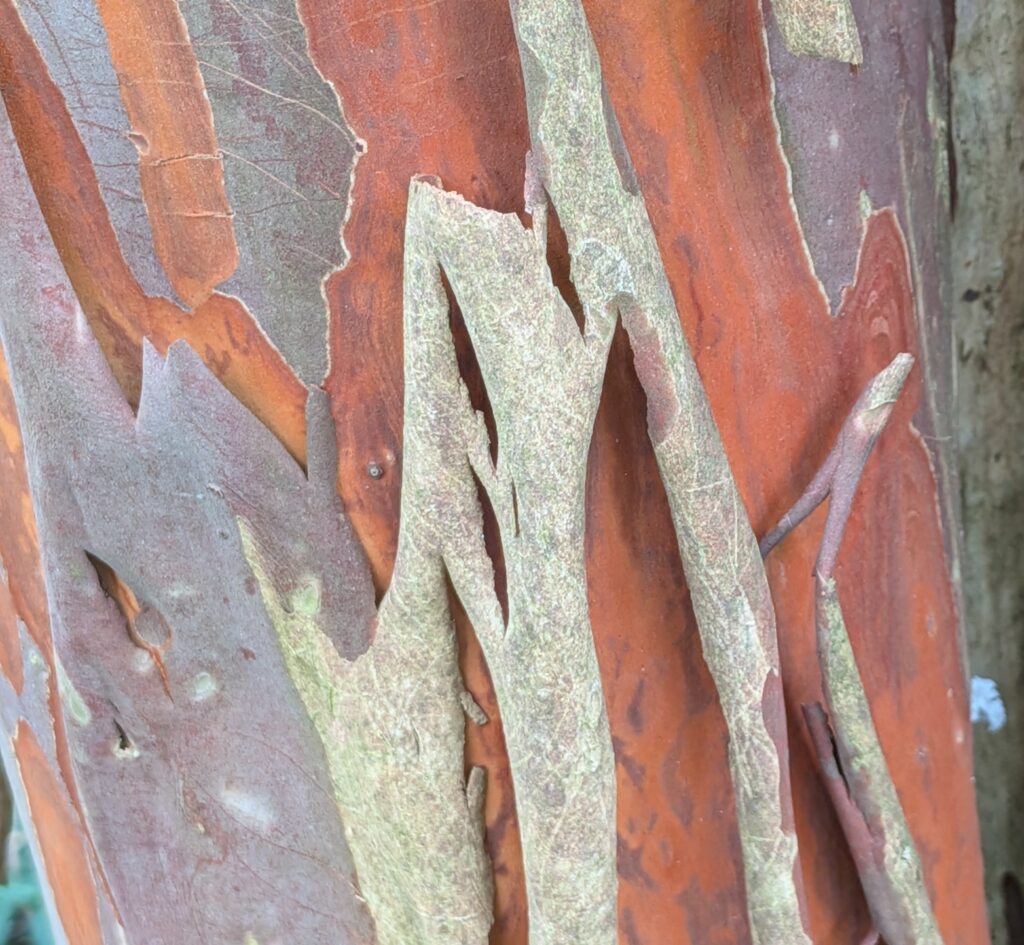 When the Crepe Myrtle grows, the trunk expands, and the tree sheds its skin like a snake.
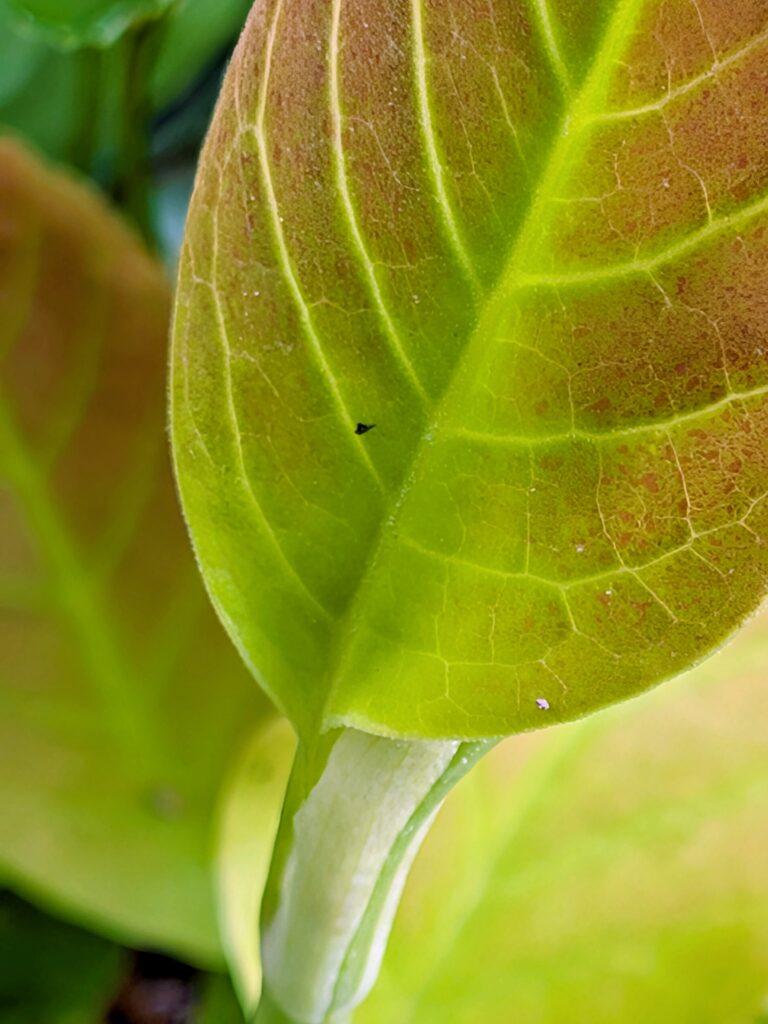 Here’s a close look at some new growth. The leaf has that fine, fuzzy texture you see on young foliage.
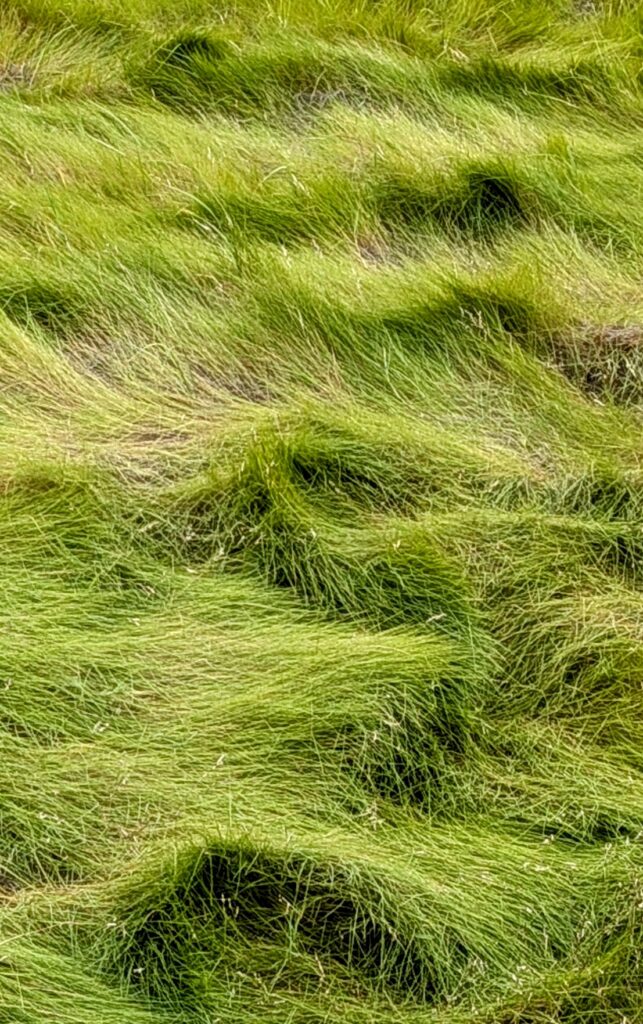 Dune grass on Cape Cod, combed into waves by a steady wind.
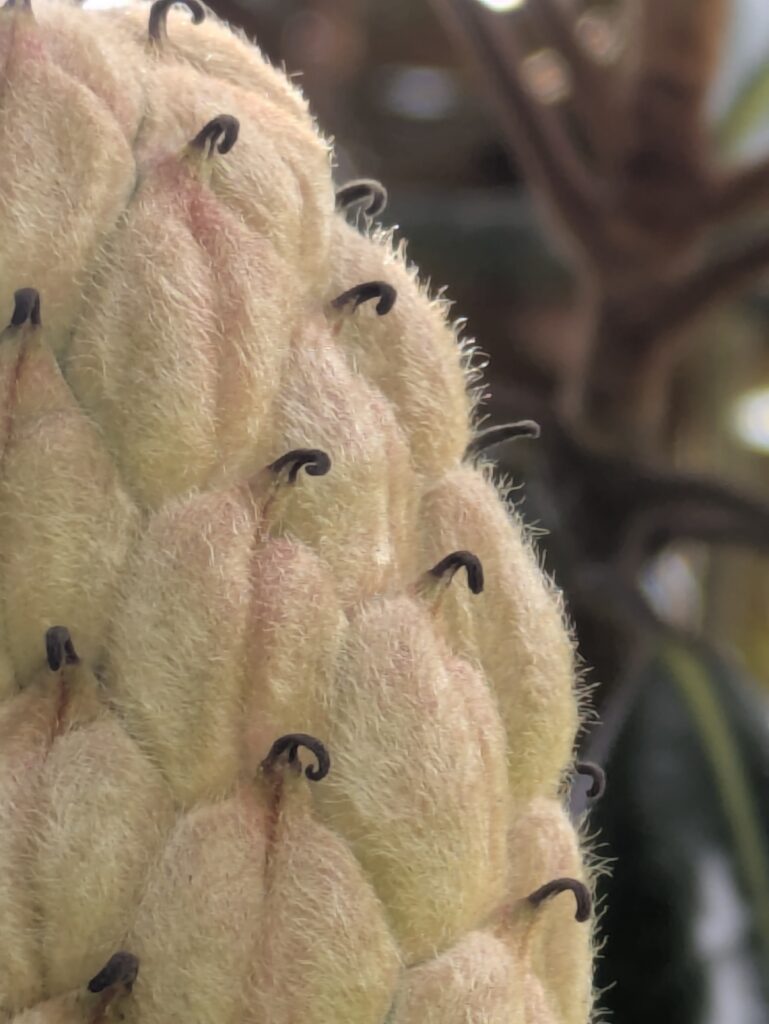 This is the flowering part of the southern magnolia. I hate the tree because it's so sloppy, with its leathery leaves, but I find the flowers interesting. When it matures, the yellow fuzz turns brown, and bright red seeds emerge.
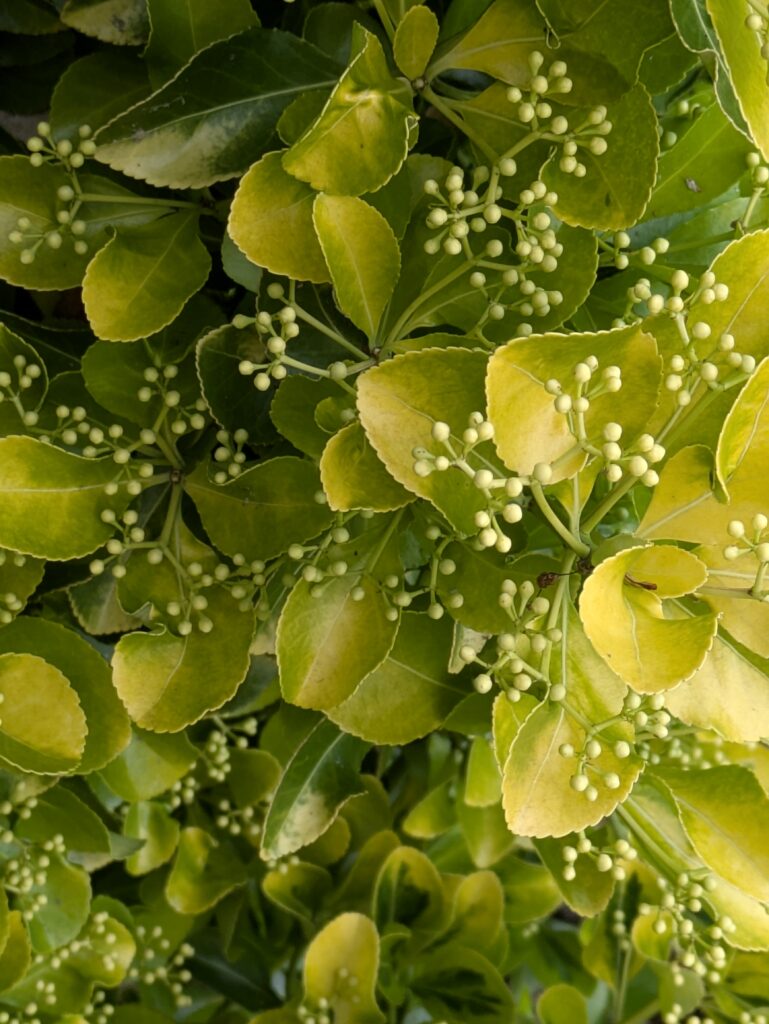 Variegated Euonymus, with its yellow and green leaves, ands covered in buds.
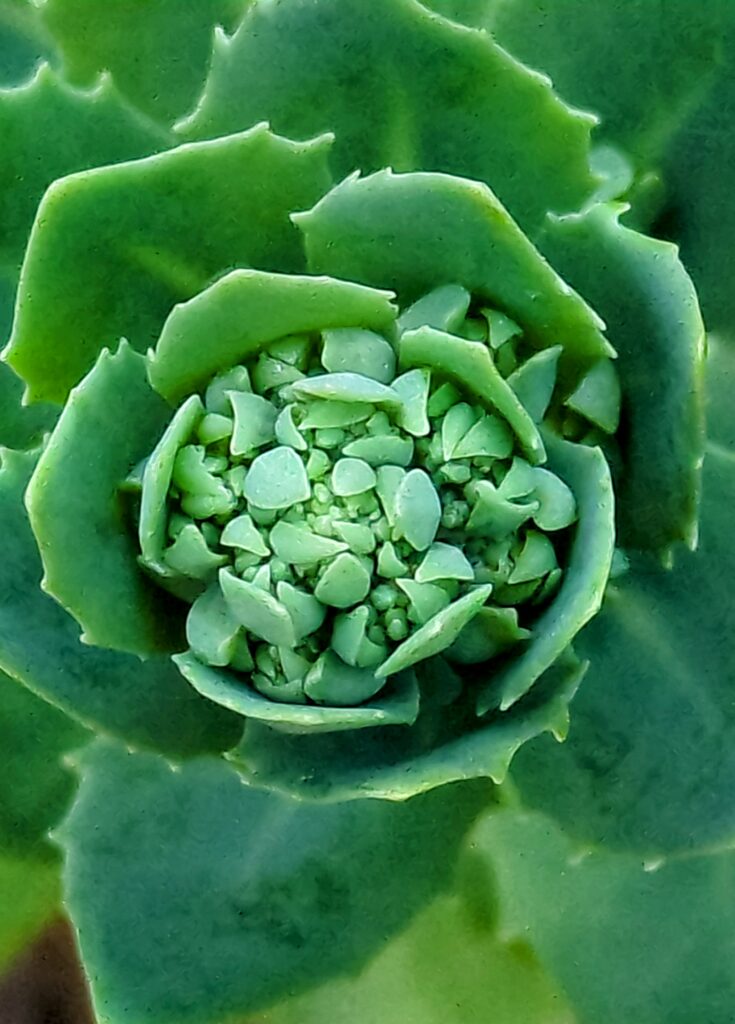 Sedum, or Stonecrop.
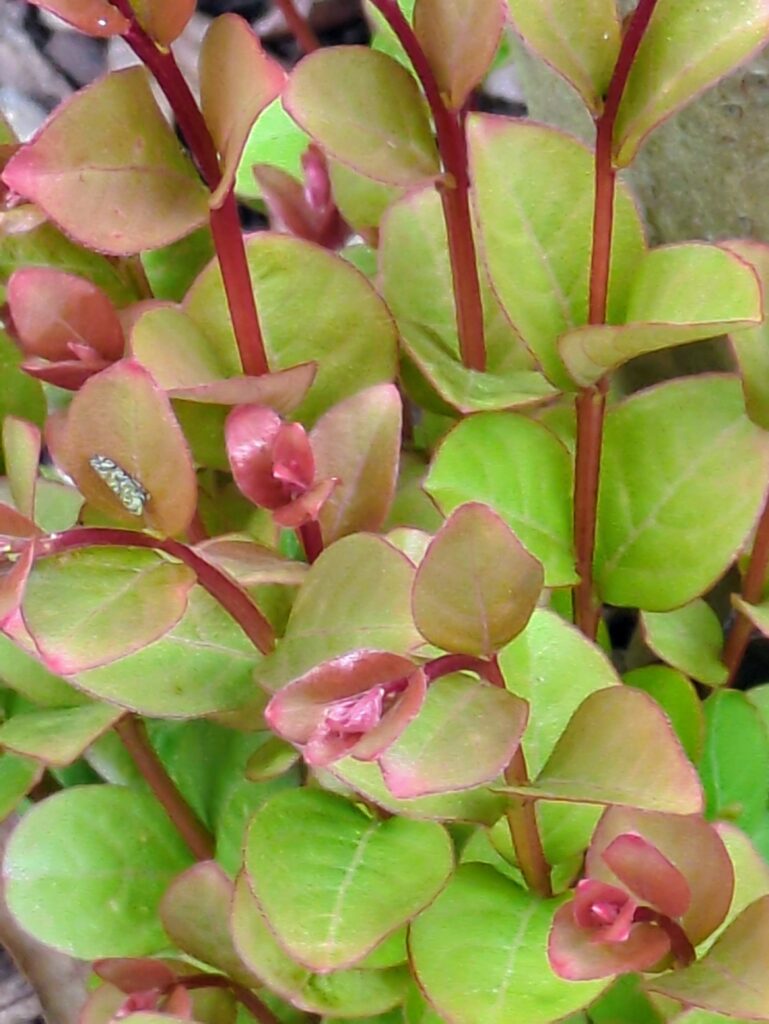 This is what happens when you try to cut a crepe myrtle. It's like a hydra … cut off one branch, and dozens of new branches will take its place.
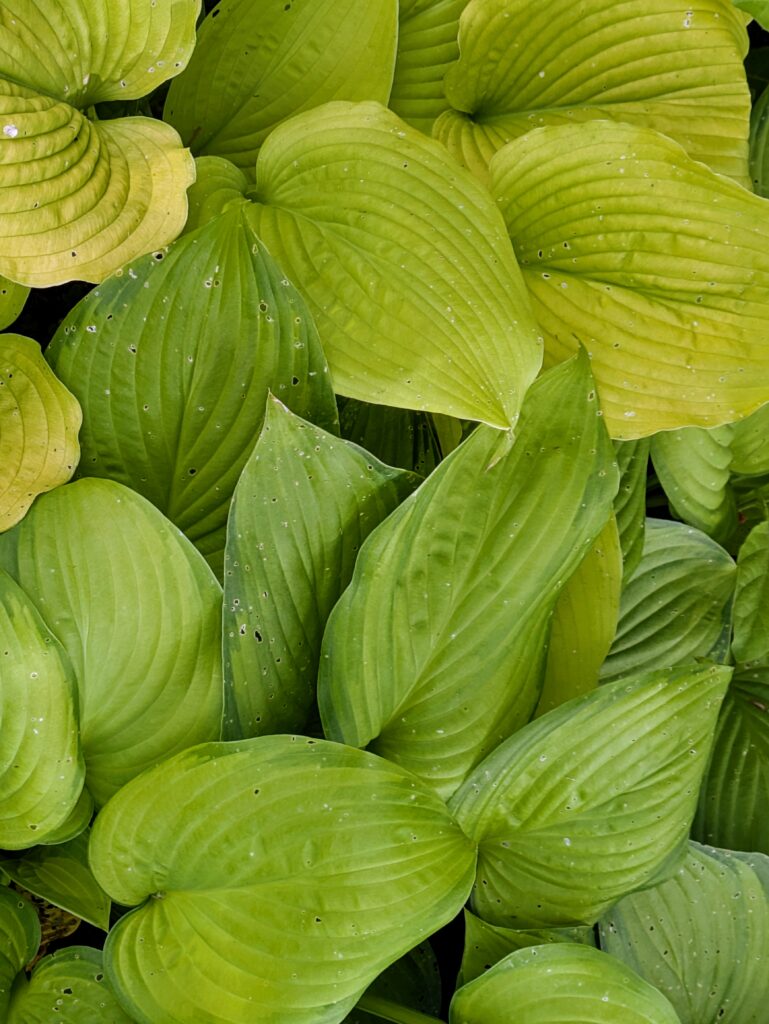 Hosta leaves.
 Japanese Spirea.
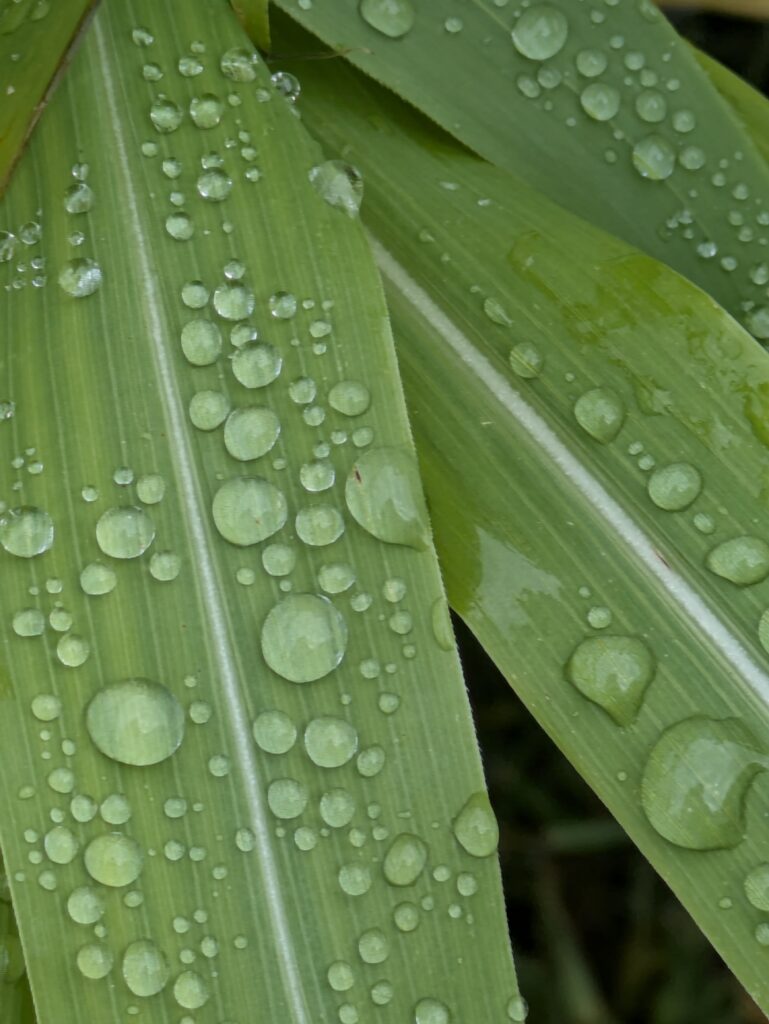 Raindrops on tall grass leaves.
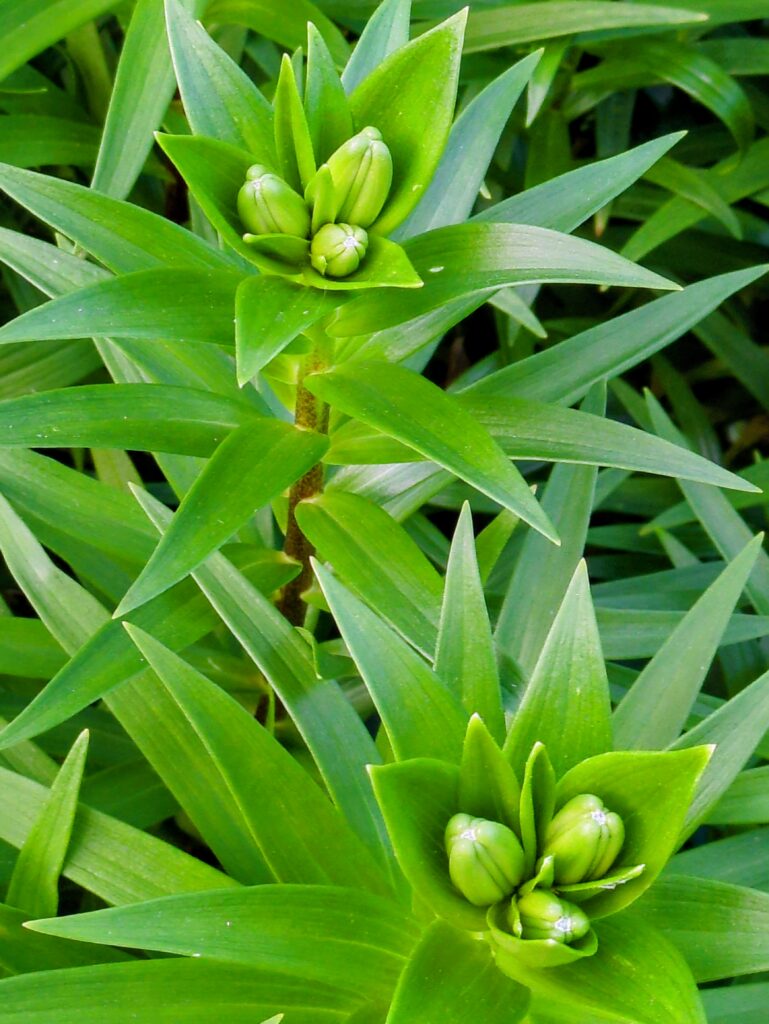 Asiatic lilies variety, just about to burst into bloom.
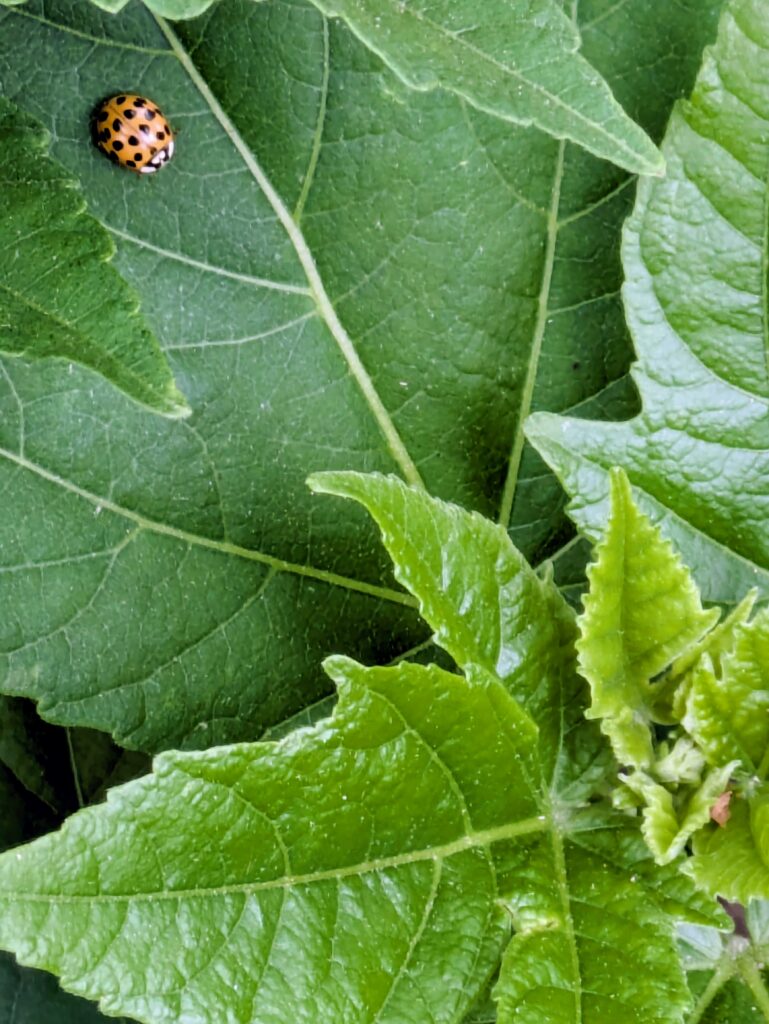 An Asian Lady Beetle. My garden was swarming with them this summer.
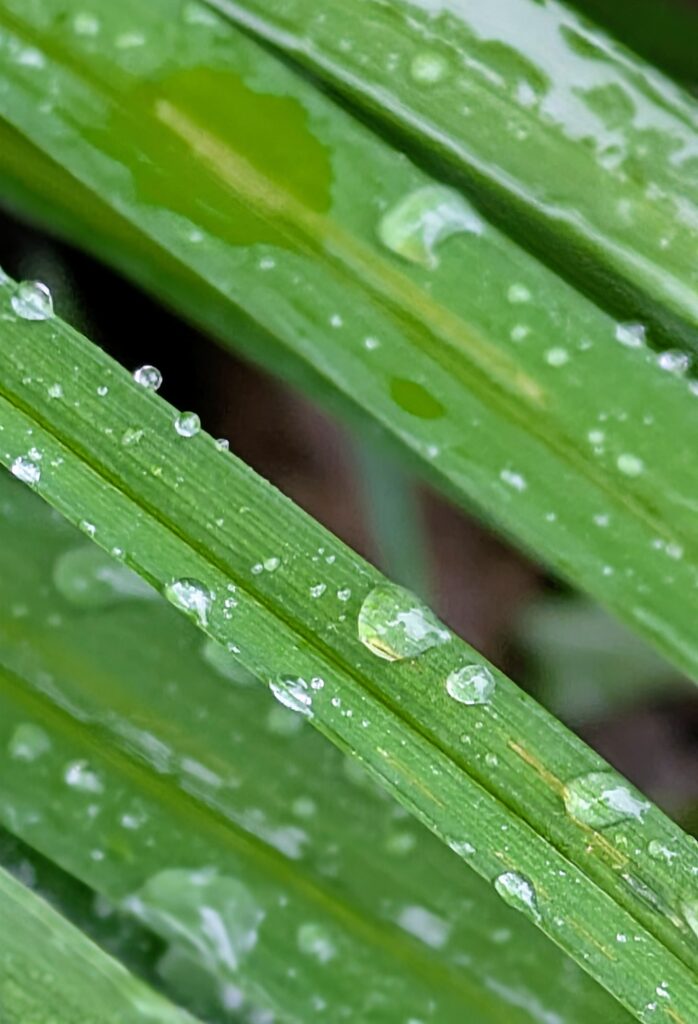 Water droplets on tall grass leaves.
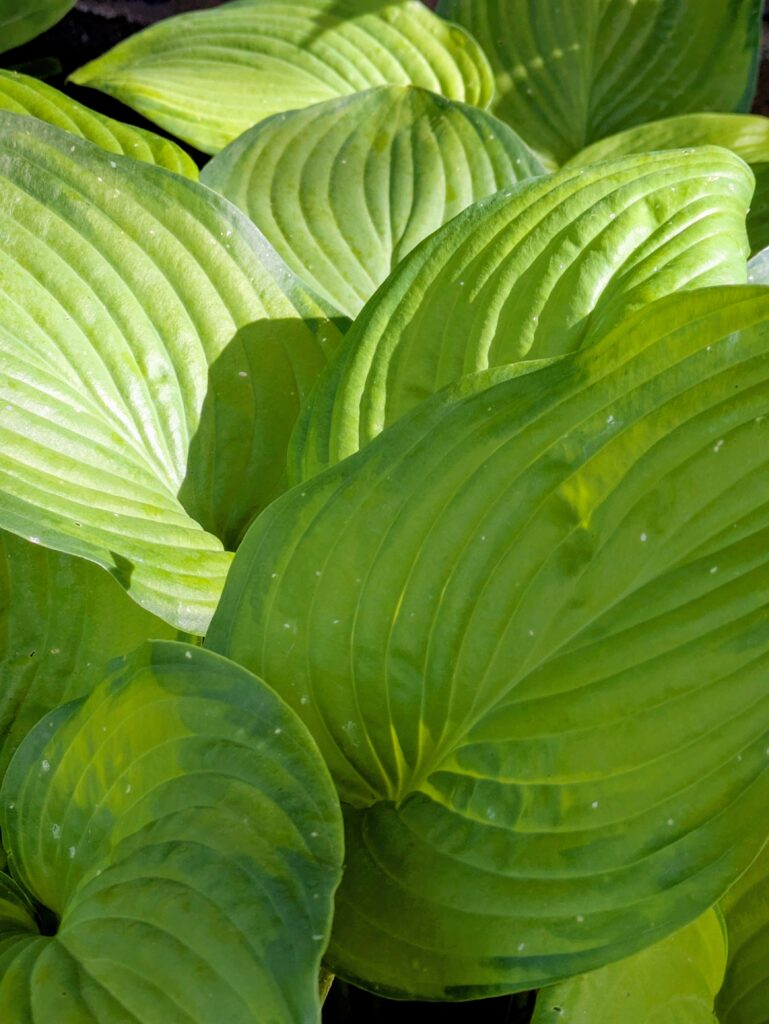 Hosta leaves.
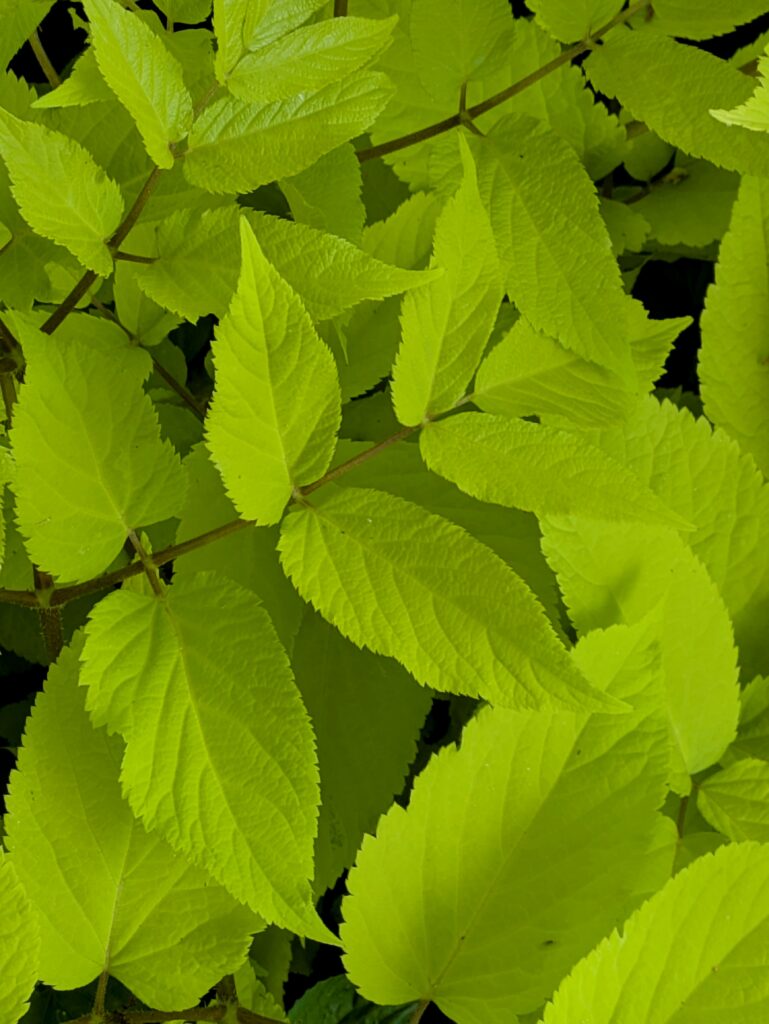 'Sun King' Aralia. The flowers this plant produces are not half as interesting as the vivid green color of the leaves. I planted this in my garden a couple of years ago. It dies off in the autumn, but luckily, it keeps coming back in the spring.
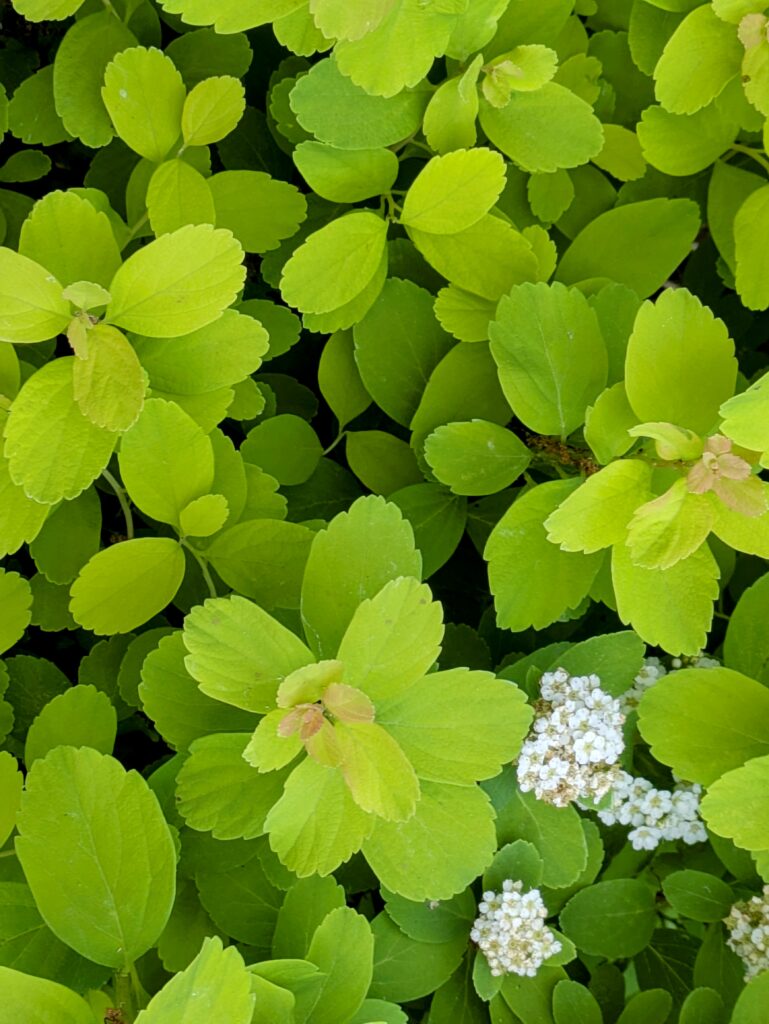 That's a Japanese Spirea, 'Goldflame' cultivar. Those small white flower clusters are just starting their show.
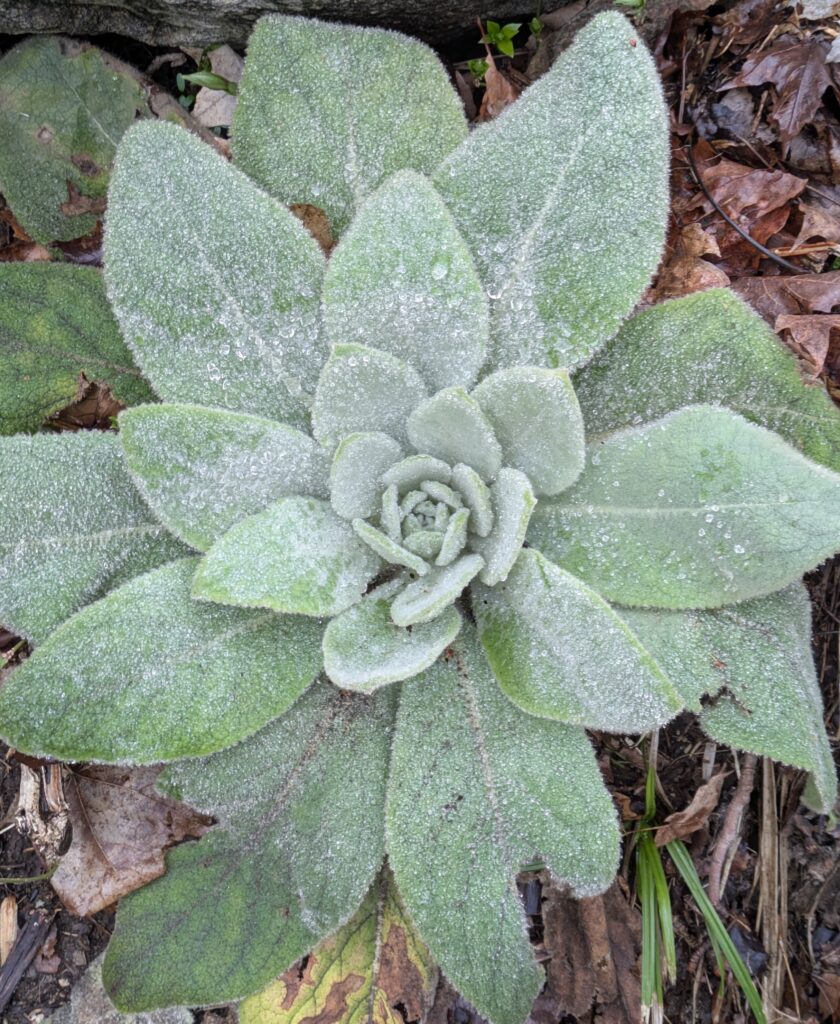 A mullein rosette catching the morning dew. I found this one in Harrybrooke Park, in Brookfield, Connecticut.
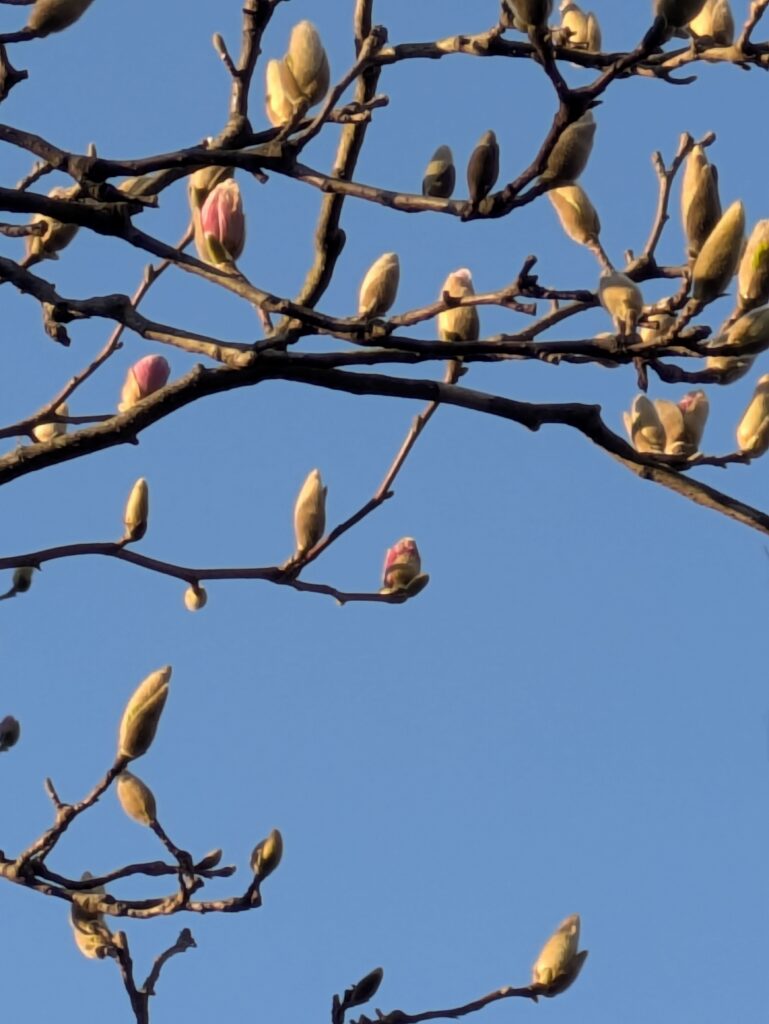 A Saucer Magnolia, just about to wake up.
 Magnolia tree, getting ready for its spring show.
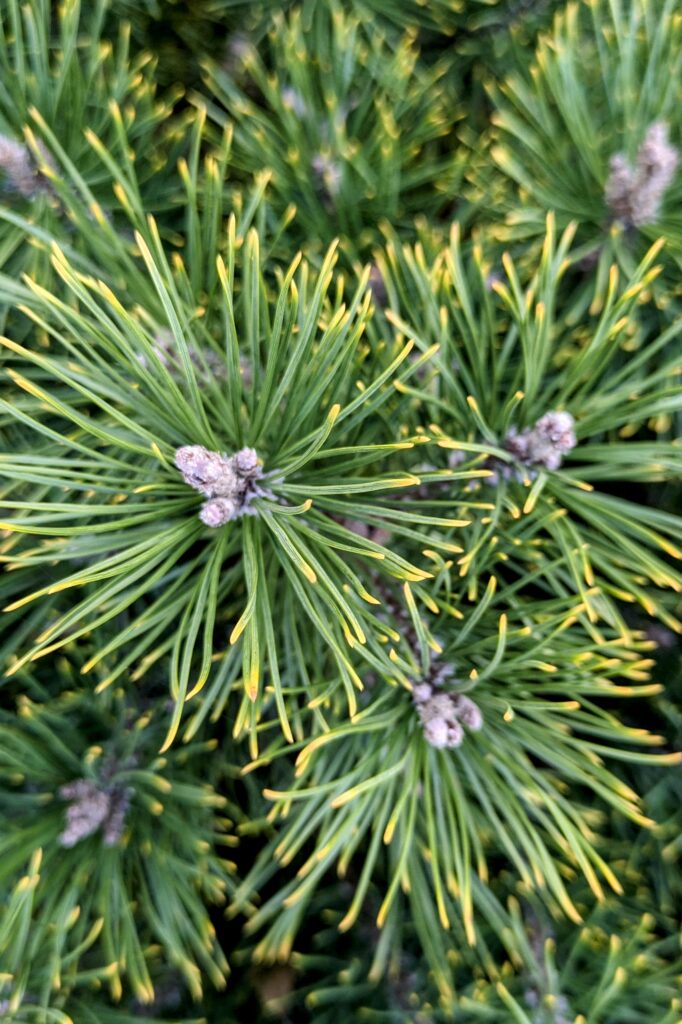 Dwarf pine, "Mugo."
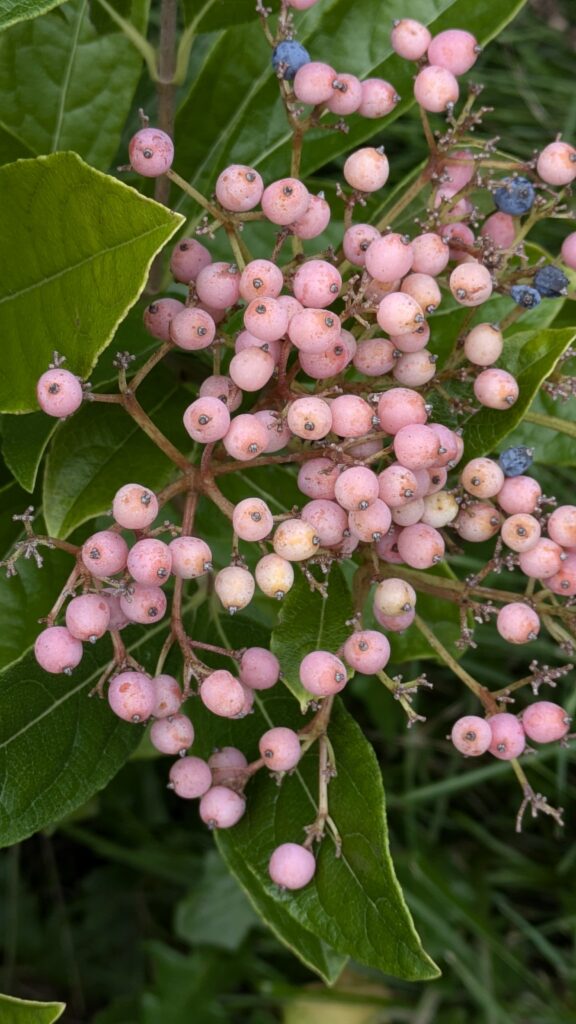 Linden Viburnum.
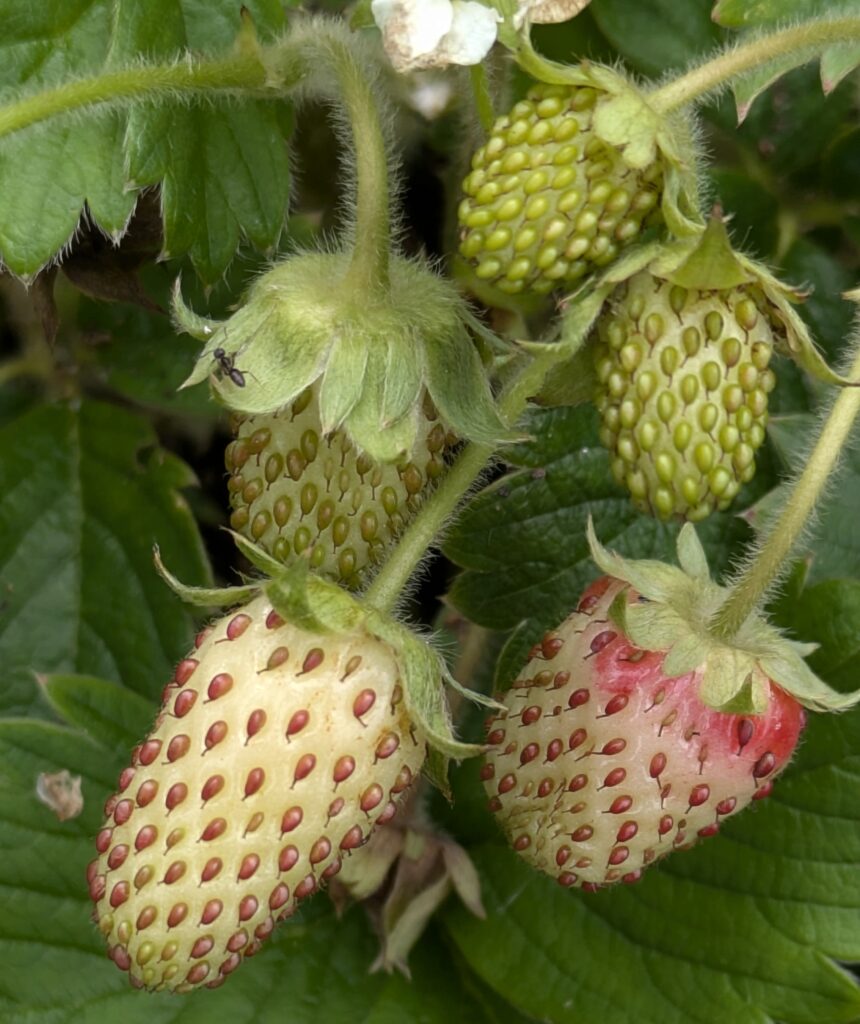 Alpine strawberries ripening on the vine.
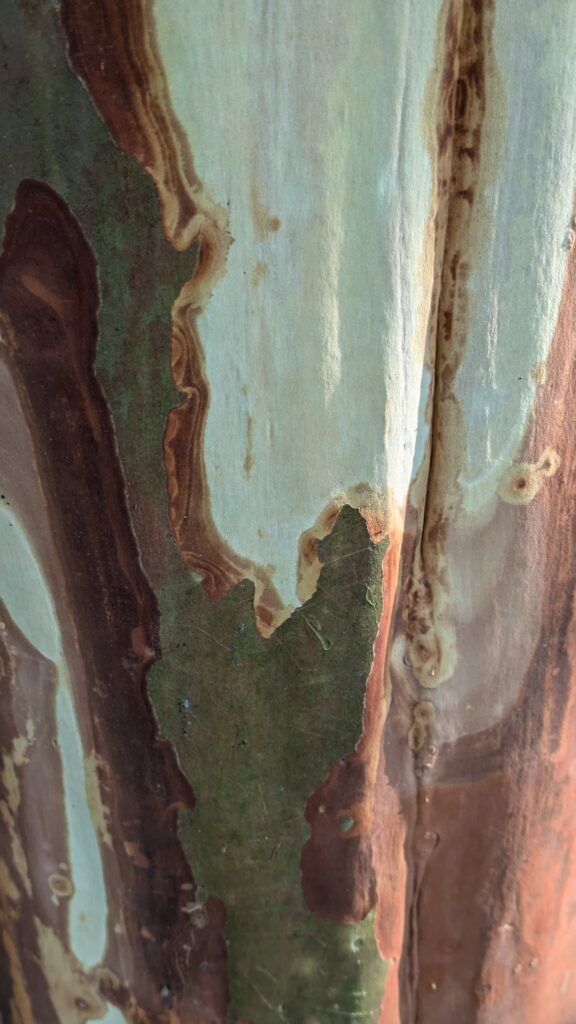 Patterns on the trunk of an old crepe myrtle.
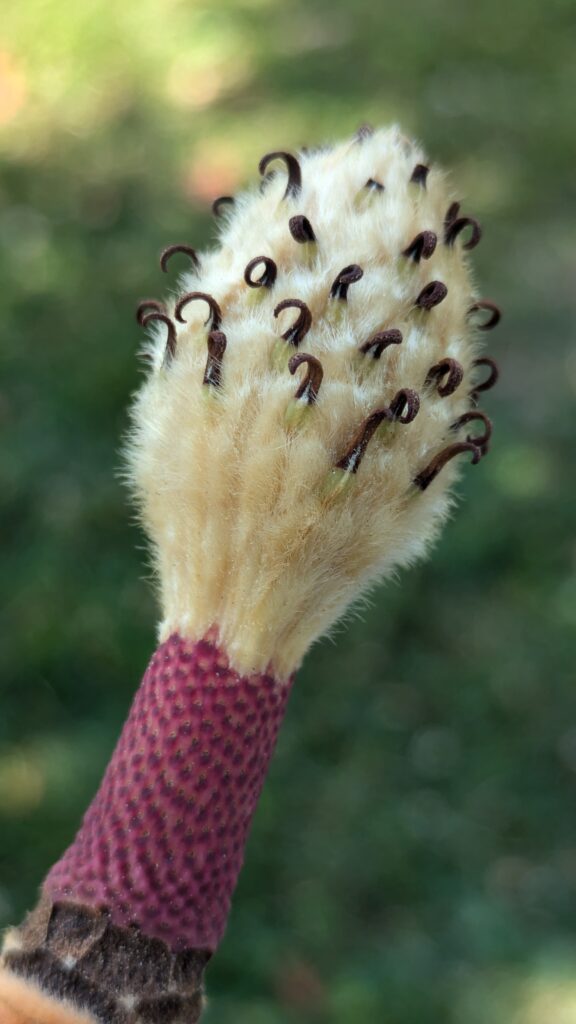 Here’s a look at a magnolia cone after the petals drop. Notice the unique purple, textured receptacle and the dried, curled stigmas from the flower. It's about three inches long, and almost looks man-made.
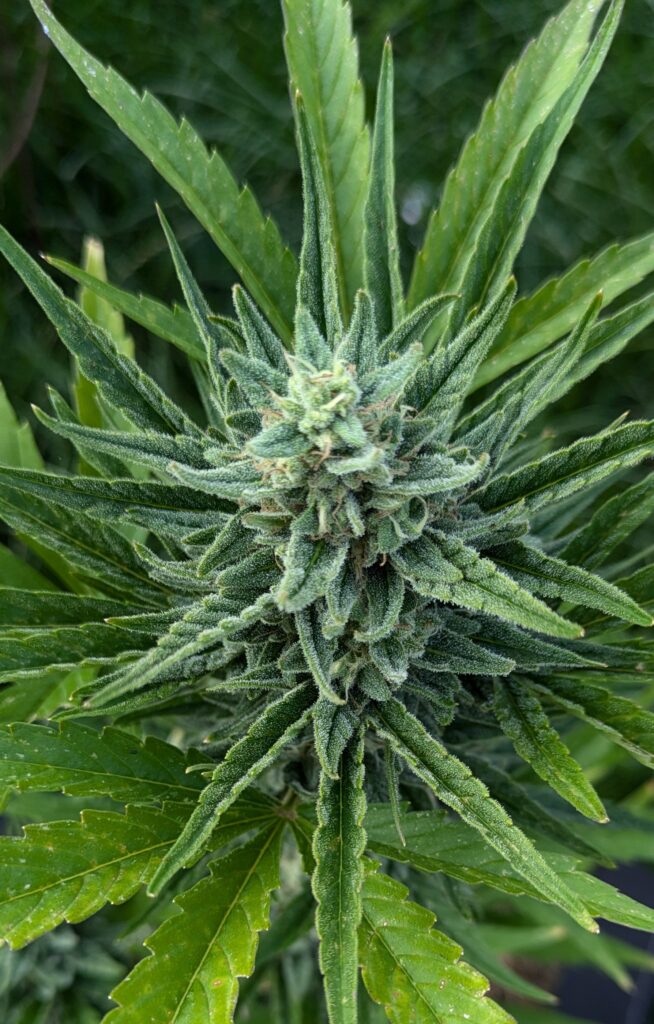 Cannabis cola, close to harvest. You can see the sugar leaves are frosted with trichomes, a good sign of potency. The pistils are turning from white to amber, ready for harvest.
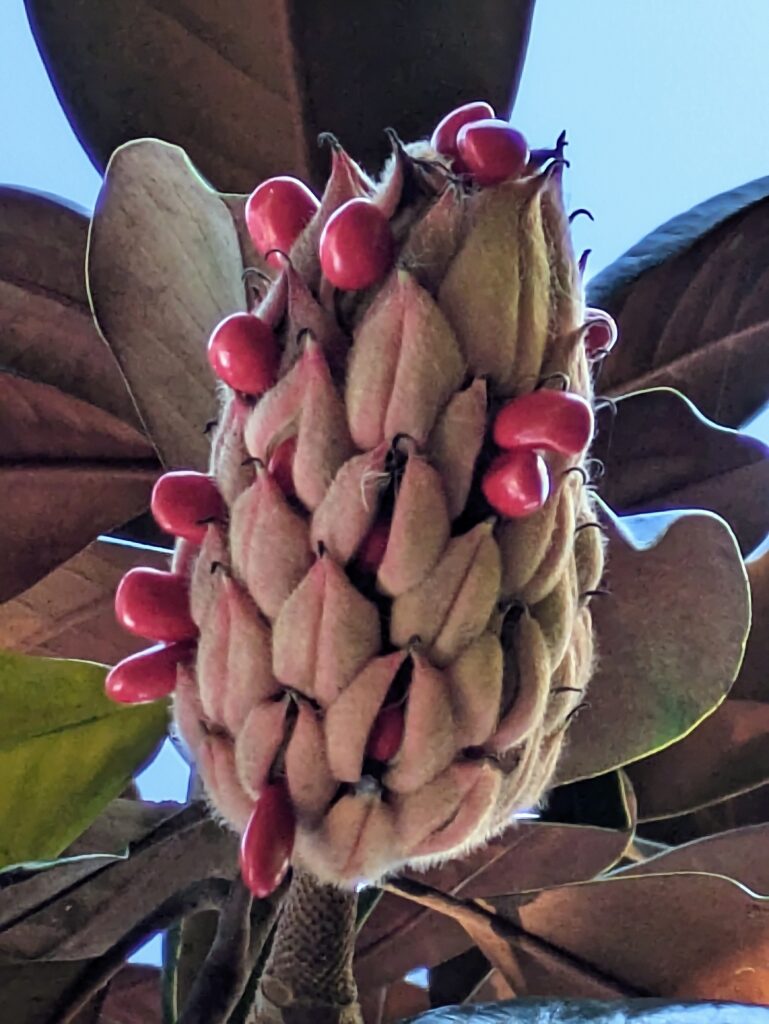 Southern Magnolia seed pod after the flower's gone.
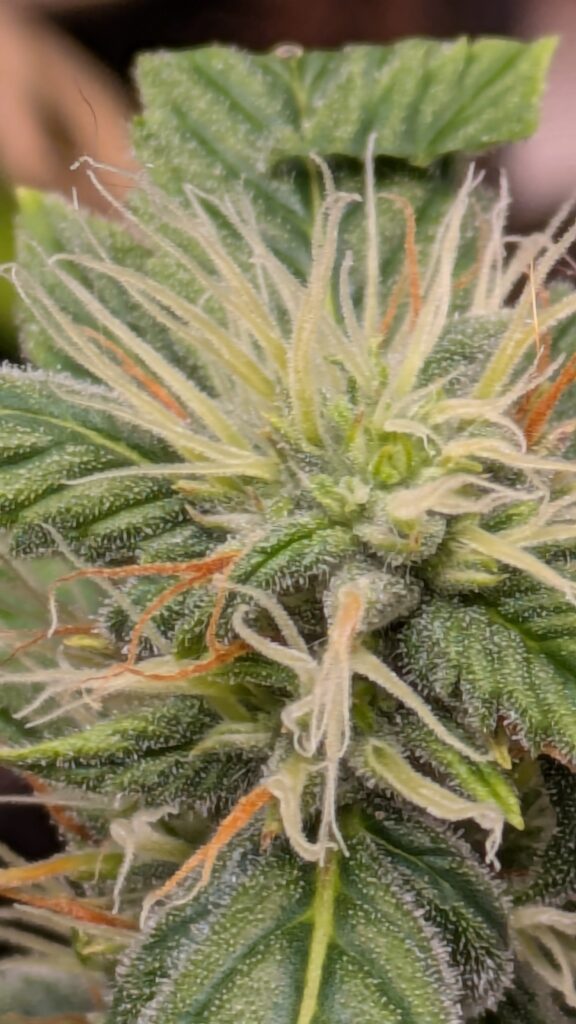 Mature cannabis flower, ready for harvest.
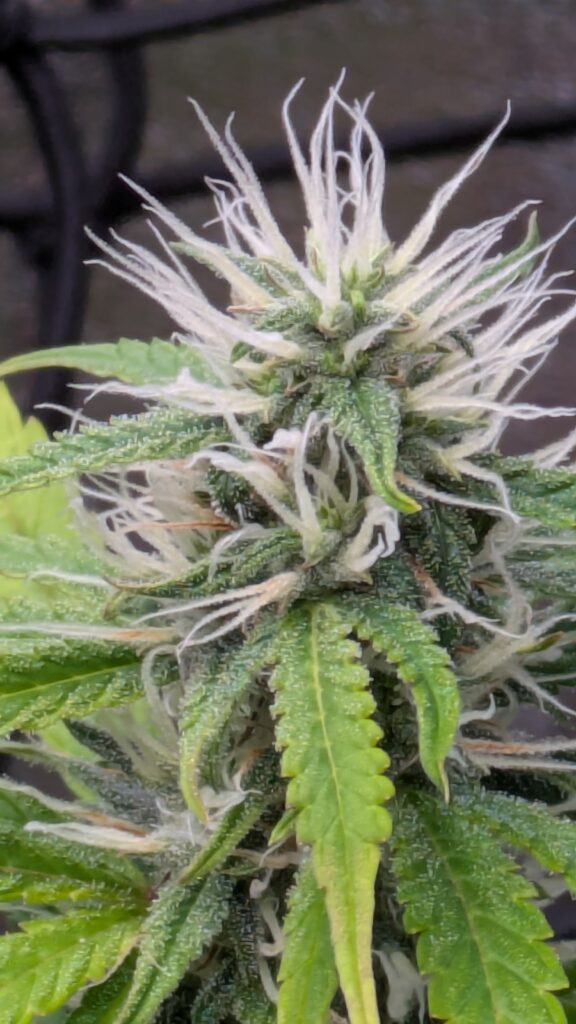 Cannabis in early flower.
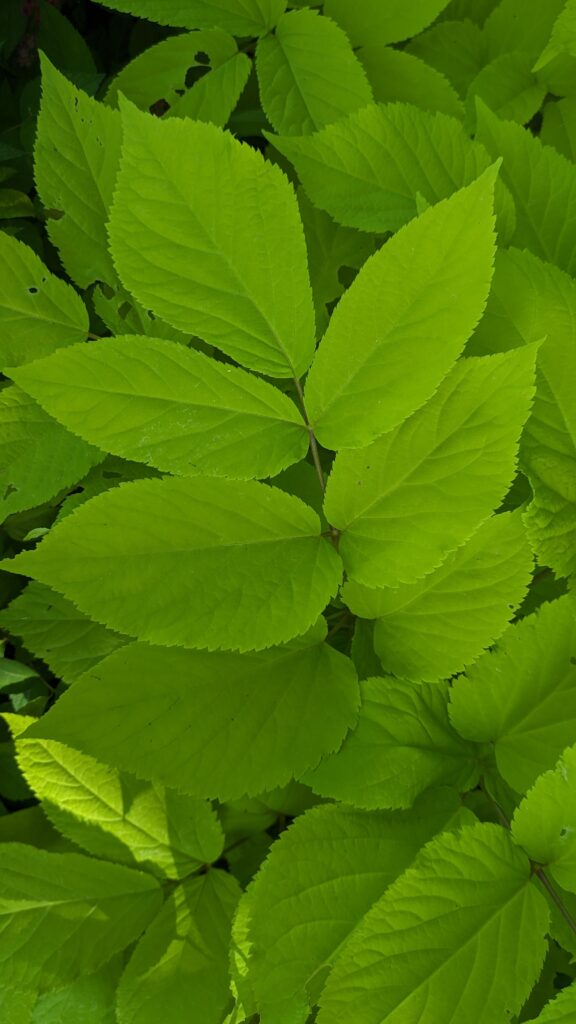 Aralia 'Sun King.'
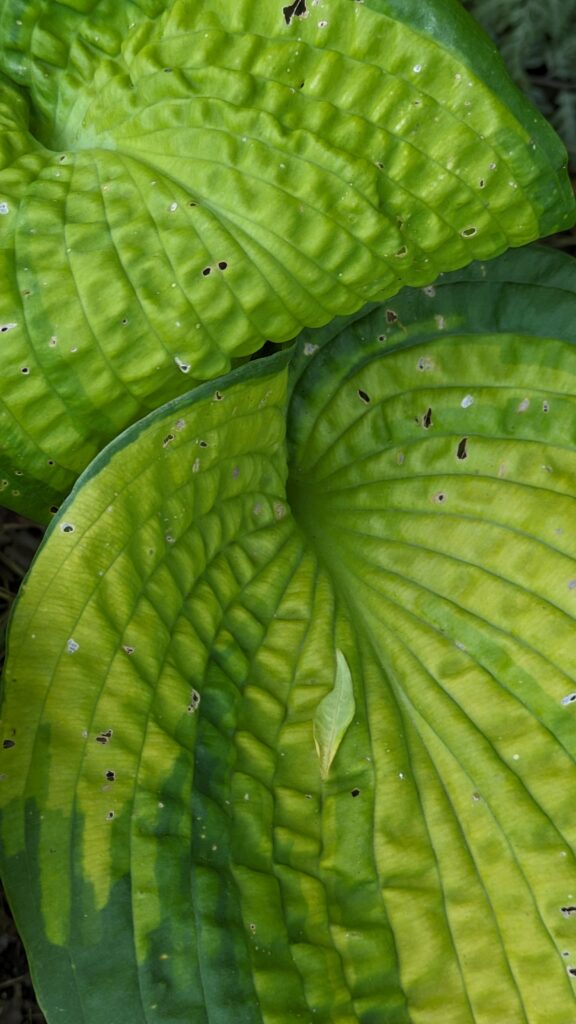 Variegated hosta leaves.
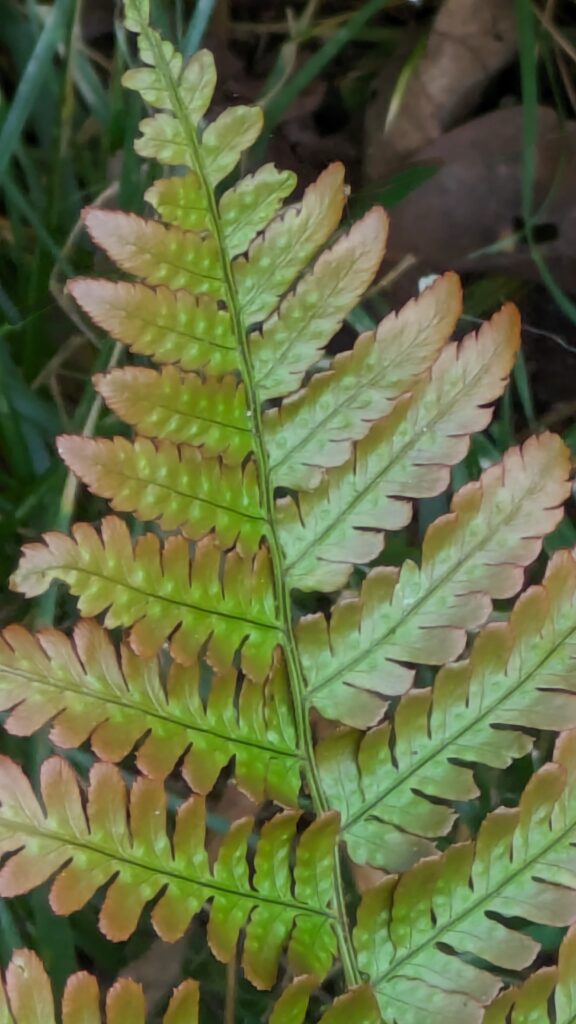 Autumn Fern, Dryopteris erythrosora.
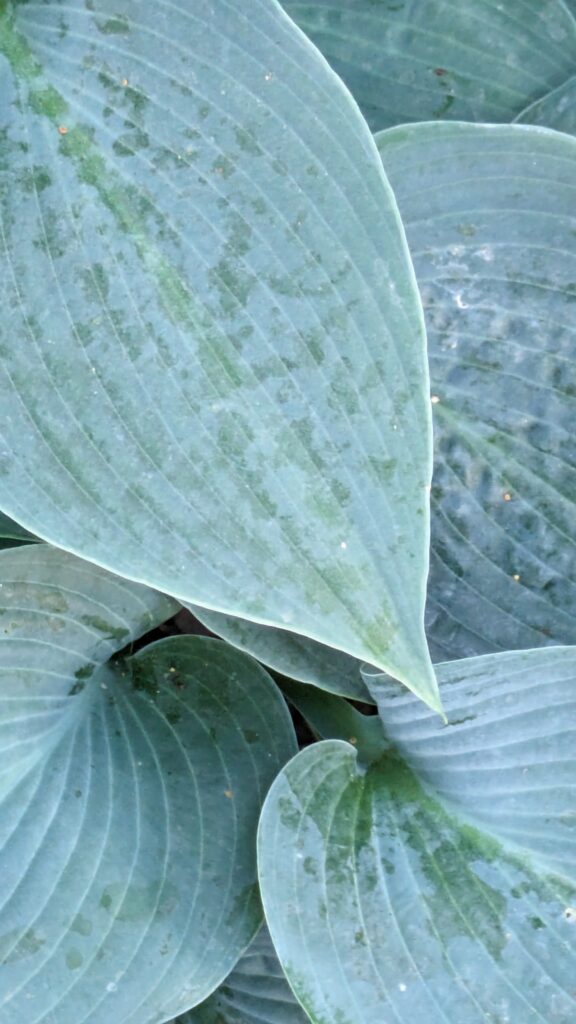 These are the leaves of a blue Hosta.
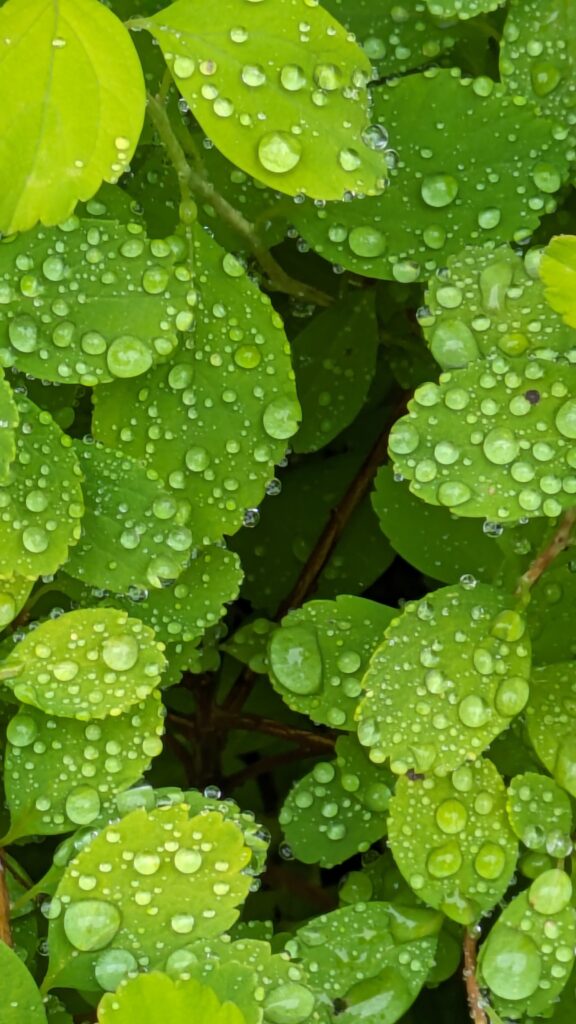 Spirea leaves after a rain.
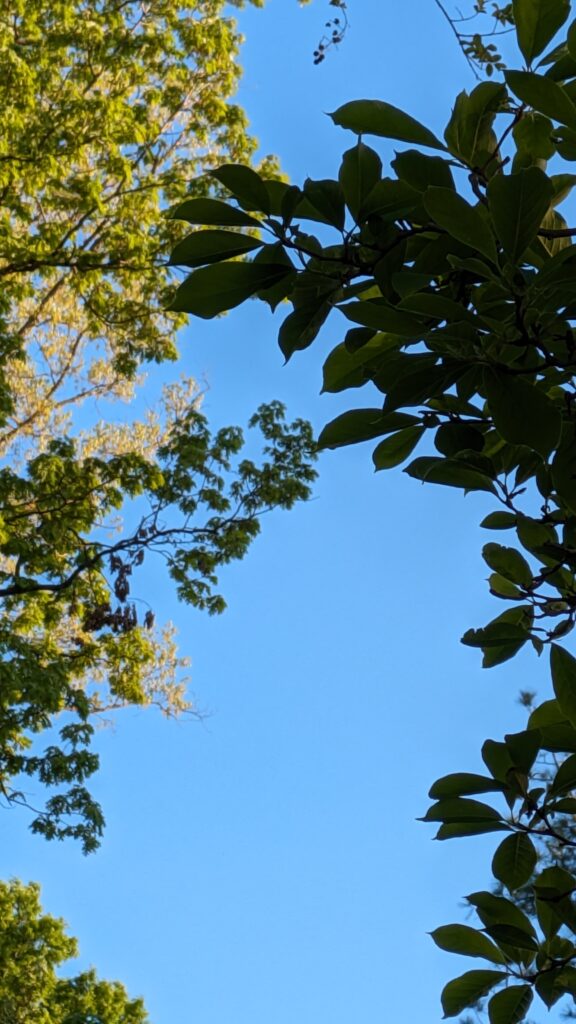 Late spring afternoon sky.